1 Introduction to Silicone Molding Technologies
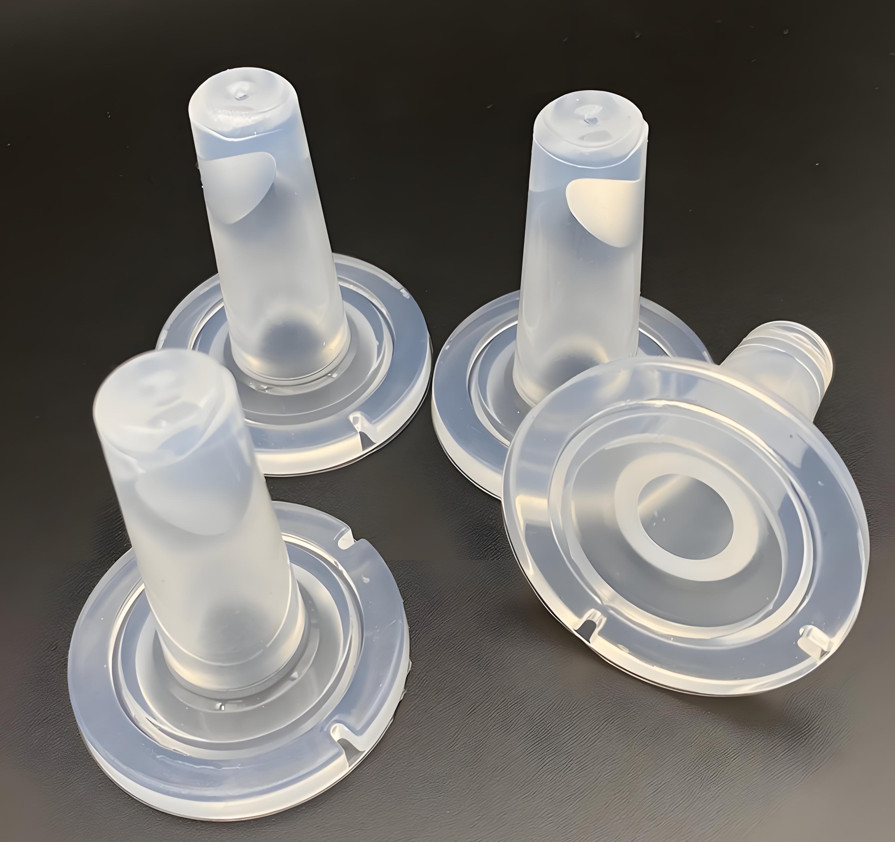
In today’s advanced manufacturing landscape, silicone injection molding and LSR molding have emerged as critical processes for producing high-performance components across diverse industries. These advanced manufacturing techniques transform raw silicone materials into precise, durable components that meet stringent quality standards across medical, automotive, electronic, and consumer goods sectors. The global market for these services continues to expand rapidly, driven by technological advancements and increasing demand for high-precision silicone components that offer superior properties compared to conventional materials.
Liquid Silicone Rubber (LSR) represents a specialized category of silicone materials characterized by its liquid state prior to curing and exceptional material properties post-processing. Unlike traditional thermoplastic injection molding, LSR processing requires unique equipment expertise and specialized knowledge to properly handle its two-component reactive system. The global silicone injection molding market has seen consistent growth, with projections indicating continued expansion through 2031, particularly in Asian markets where manufacturing capabilities have advanced significantly . This growth trajectory underscores the increasing reliance on these specialized manufacturing processes for critical applications where material performance is non-negotiable.
2 Understanding Silicone Injection Molding Technology
2.1 The LSR Molding Process
Liquid Silicone Rubber molding operates on a fundamentally different principle than traditional thermoplastic injection molding. The process begins with a two-part platinum-cured liquid silicone system that remains liquid at room temperature but cures rapidly when heated. This process involves several critical stages: material preparation, precise metering, mixing, injection, curing, and demolding. The LSR injection molding process requires specialized equipment including refrigerated material containers, precision metering pumps, static mixers, and heated molds to properly process the material from liquid to cured rubber state.
The technology distinguishes itself through several processing advantages, including extremely fast cure times, ability to produce complex thin-walled geometries, and exceptional part consistency. Modern LSR processing equipment often incorporates advanced cold runner systems that significantly reduce material waste by maintaining the runner system at temperatures that prevent curing. These systems can be further categorized into needle-valve cold runner systems for automated high-volume production and open cold runner systems for simpler applications, each offering distinct advantages for specific production scenarios . The precision of modern LSR processing equipment allows for tight tolerances and exceptional repeatability, making it suitable for the most demanding applications.
2.2 Advantages of LSR Materials
Liquid Silicone Rubber offers numerous material advantages that explain its growing popularity across industries. These silicone material benefits include:
-
Temperature Resistance: LSR maintains its properties across extreme temperature ranges, typically from -50°C to 200°C continuously, with some specialty grades withstand even higher temperatures.
-
Biocompatibility: Many LSR grades meet USP Class VI, ISO 10993, and FDA standards, making them ideal for medical-grade silicone components that contact skin or bodily fluids .
-
Chemical Stability: LSR demonstrates excellent resistance to chemicals, oils, solvents, and oxidation, ensuring long-term performance in demanding environments.
-
Electrical Insulation: With high dielectric strength and volume resistivity, LSR provides outstanding electrical insulation properties crucial for electronic applications.
-
Flexibility and Tear Resistance: LSR components offer durable flexibility with high tear resistance, even in thin cross-sections, supporting designs not possible with other materials.
The material versatility of LSR extends to its processing capabilities, particularly for multi-material molding where silicone is bonded to substrates like plastics, metals, or other silicones during the injection process . This capability enables innovative designs that combine the benefits of silicone with structural materials, expanding application possibilities across industries.
3 Global Market Landscape for Silicone Molding
The global silicone injection molding market represents a dynamic and expanding segment within the broader manufacturing industry. Current market analysis indicates sustained growth driven by increasing adoption across key sectors. According to industry research, the market is expected to continue its upward trajectory through 2031, with particularly strong performance in the medical and electronics segments . This growth pattern reflects the critical nature of silicone components in an increasingly technologically advanced product landscape.
Regional analysis reveals important geographic concentrations and emerging hotspots for LSR molding services. Currently, North America, Europe, and Asia represent the three major market regions, each with distinct characteristics and specializations. China has emerged as a particularly significant player, with its domestic LSR molding market experiencing rapid expansion and technological advancement . The presence of numerous specialized manufacturers in Guangdong province, particularly in Dongguan and Shenzhen, has created a concentrated hub for silicone manufacturing expertise . This regional specialization provides buyers with diverse options ranging from global conglomerates to highly specialized technical experts.
Application analysis reveals several key industries driving demand for silicone injection molding services:
-
Medical Industry: Accounting for a significant market share, medical applications include surgical instruments, implantable devices, respiratory masks, and various diagnostic components that require medical-grade material certification .
-
Automotive Sector: The transition to electric vehicles has increased demand for high-temperature resistant seals, connector seals, and battery insulation components that utilize LSR’s thermal and electrical properties.
-
Electronics Industry: The miniaturization trend and need for environmental protection in consumer electronics drives adoption of LSR for waterproof seals, tactile keys, and EMI shielding components.
-
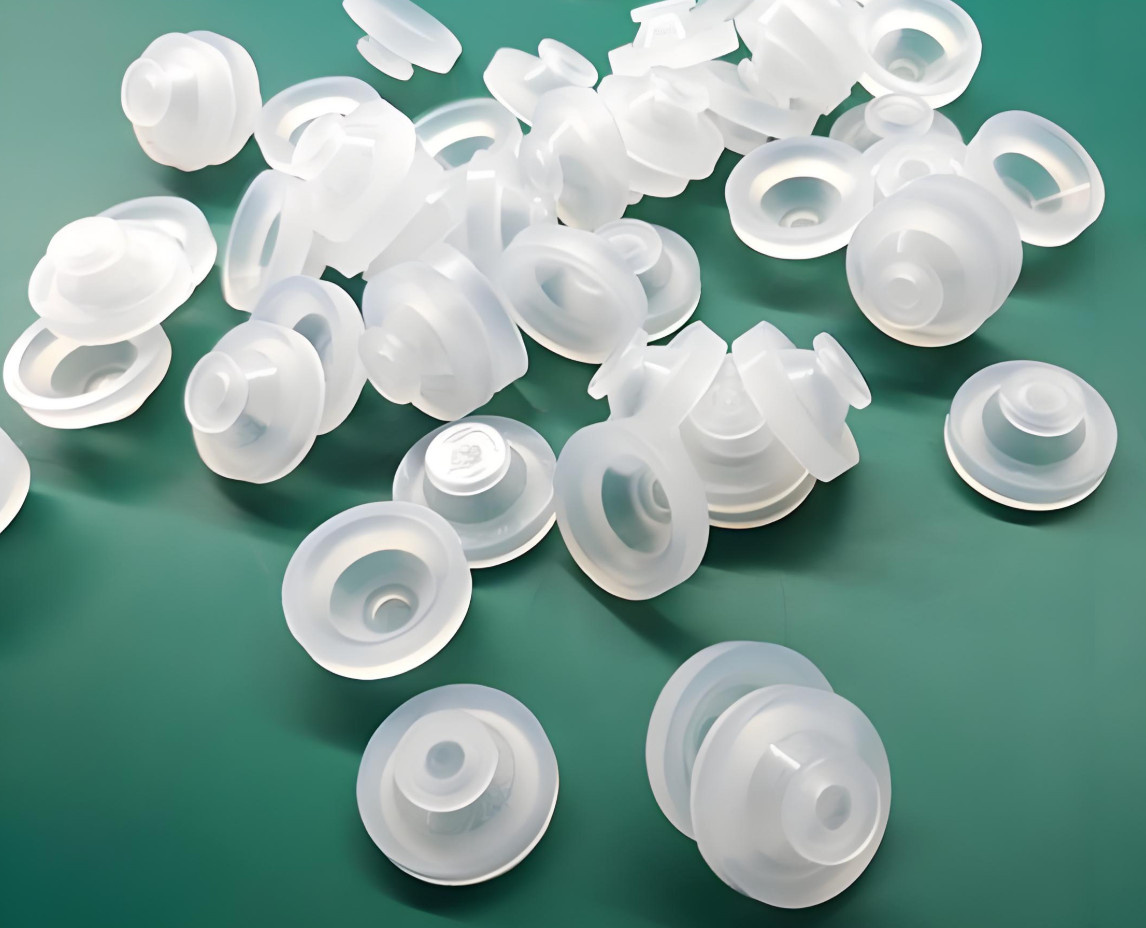
Consumer Goods: From kitchen utensils to infant care products, LSR provides the safety, durability, and aesthetic qualities demanded by consumers.
This diverse application base contributes to market stability, as demand remains strong across multiple sectors despite fluctuations in individual industries.
4 Leading Global Silicone Injection Molding Companies
The international landscape for silicone injection molding companies includes several established leaders with global recognition for their technical capabilities and quality standards. These companies typically offer comprehensive services from design assistance through high-volume production, serving multinational clients across diverse industries. Based on recent market analysis and industry presence, the following table highlights prominent global players in the silicone molding sector:
Table: Leading Global Silicone Injection Molding Companies
| Company Name | Headquarters | Year Founded | Key Specialties | Notable Capabilities |
|---|---|---|---|---|
| Protolabs | United States | 1999 | Rapid prototyping, production | Digital manufacturing infrastructure, fast turnaround |
| SIMTEC Silicone Parts | Florida, USA | 2002 | Precision LSR molding | Medical, automotive, consumer goods LSR components |
| Elkem Silicones | Oslo, Norway | 1904 | Silicone materials & molding | Vertical integration from materials to finished products |
| Wacker Chemie | Munich, Germany | 1914 | Silicone elastomers & LSR | Material science expertise, high-performance grades |
| Apple Rubber | New York, USA | 1971 | Sealing solutions | Rubber seals, O-rings, custom sealing devices |
| Boyd Corporation | California, USA | 1928 | Thermal management & sealing | Integrated solutions combining multiple materials |
These global silicone manufacturers have established their reputations through consistent quality, technical innovation, and reliable delivery. Companies like SIMTEC Silicone Parts have developed particular expertise in high-volume LSR injection molding, serving demanding sectors such as medical devices and automotive applications . Their capabilities often include advanced engineering support for design optimization, material selection guidance, and application-specific testing protocols to ensure component performance.
The competitive landscape features distinctive positioning strategies among these industry leaders. Some companies, including Elkem Silicones and Wacker Chemie, leverage vertical integration by manufacturing base silicone materials while also offering molding services . Others focus exclusively on manufacturing expertise, developing specialized capabilities in specific process technologies like multi-material LSR molding or micro-LSR components for miniature applications. This diversity in focus allows the market to support various business models while providing customers with multiple options based on their specific technical and commercial requirements.
5 Prominent Chinese LSR Molding Companies
China has emerged as a significant manufacturing hub for LSR molding companies, with concentrated expertise in the Guangdong province, particularly in Dongguan and Shenzhen. These Chinese manufacturers combine technical expertise with cost-effective production capabilities, serving both domestic and international markets. The following table highlights several prominent Chinese companies specializing in LSR molding:
Table: Prominent Chinese LSR Molding Companies
| Company Name | Location | Key Specialties | Notable Capabilities & Clients |
|---|---|---|---|
| Dongguan Shengying Precision | Dongguan, China | LSR OEM/ODM, multi-material molding | 37 LSR injection machines, German 2KM feeding systems |
| Dongguan Jiefeng Precision | Dongguan, China | Medical, automotive, consumer electronics | ~1000 employees, cleanroom facilities |
| Guangdong Yingtai High Precision | Dongguan, China | LSR, plastic products, molds | 55 LSR molding machines, 80 plastic injection machines |
| Shenzhen Eternal Jianxin Precision Mold | Shenzhen, China | LSR optical lenses, infant products | German 2KM feeding systems, 10,000-class cleanroom |
| Shenzhen Ke’an Silicone Products | Shenzhen, China | LSR mold design and manufacturing | 8-10 years’ technician experience, multi-layer mold capability |
These Chinese LSR molding specialists have developed robust capabilities to compete in the global marketplace. Companies like Dongguan Shengying Precision have invested significantly in advanced LSR manufacturing infrastructure, including multiple LSR injection machines and precision feeding systems from German manufacturer 2KM . This level of equipment investment enables production of high-precision silicone components that meet international quality standards while offering competitive pricing structures.
The technical capabilities of Chinese LSR molders continue to advance rapidly. Companies like Shenzhen Ke’an Silicone Products highlight their expertise with complex mold designs including multi-layer molds, hot runner systems, and cold runner systems with needle valve technology . Similarly, Dongguan Jiefeng Precision emphasizes its cleanroom production facilities and extensive experience serving demanding regulated industries like medical devices and automotive electronics . These capabilities position Chinese manufacturers as viable alternatives to established global players, particularly for cost-sensitive applications requiring technical sophistication.
6 How to Select the Right Silicone Molding Companies
Selecting an appropriate silicone injection molding partner requires careful evaluation of multiple factors to ensure technical compatibility and business alignment. The decision process should balance immediate project requirements with long-term strategic considerations, as changing suppliers mid-project can involve significant cost and timeline implications. Key selection criteria include:
-
Technical Capabilities: Evaluate the supplier’s expertise with your specific LSR molding process requirements, including experience with similar components, material knowledge, and technical support resources. Look for evidence of successful projects in comparable application areas and request case studies or reference contacts.
-
Equipment and Infrastructure: Assess the manufacturing equipment, including liquid silicone rubber injection molding machine specifications, automation capabilities, quality control systems, and cleanroom classifications if required for your application. Modern LSR manufacturing requires specialized equipment like precision metering systems, vacuum molding capabilities, and cold runner technologies to optimize production efficiency .
-
Quality Certifications: Verify relevant quality management system certifications such as ISO 9001, ISO 13485 (for medical devices), and IATF 16949 (for automotive). Material certifications may also be critical for regulated applications, including FDA compliance, USP Class VI, or UL listings.
-
Design and Engineering Support: The ideal partner provides comprehensive design for manufacturability (DFM) feedback, helping optimize part design, material selection, and manufacturing approach before tooling begins. Companies like Shenzhen Ke’an Silicone Products emphasize their mold design expertise as a key value proposition .
Beyond these technical considerations, business factors including pricing structure, production scalability, communication capabilities, and intellectual property protection should inform the selection process. The growing trend toward vertical integration may also influence partner selection, with some companies offering complementary services like mold manufacturing, material production, or secondary operations that can streamline the supply chain .
7 Future Outlook and Industry Trends
The LSR molding industry continues to evolve rapidly, driven by technological advancements and changing market demands. Several significant trends are shaping the future landscape for silicone injection molding companies:
-
Advanced Material Developments: Material science innovations continue to expand LSR capabilities, with developments in specialized silicone grades including optically clear formulations, electrically conductive variants, high-thermal conductivity grades, and self-lubricating types. These advanced materials enable new applications in emerging fields like flexible electronics, energy storage, and advanced medical devices.
-
Industry 4.0 Integration: The digital transformation of manufacturing is reaching LSR operations through smart manufacturing technologies including real-process monitoring, predictive maintenance systems, and data analytics for quality optimization. These technologies enable unprecedented process control and traceability, particularly important for regulated industries like medical devices.
-
Sustainability Initiatives: Environmental considerations are increasingly influencing material selection and manufacturing processes, with developments in recyclable silicone compounds, energy-efficient manufacturing equipment, and processes that minimize material waste through advanced cold runner systems .
-
Miniaturization Trend: The ongoing drive toward smaller components in electronics and medical devices continues to push the boundaries of micro-LSR molding capabilities, requiring increasingly precise manufacturing technologies and specialized expertise.
The market consolidation trend is also expected to continue as larger manufacturers acquire specialized technology companies to expand their service offerings and technical capabilities. This consolidation creates both opportunities and challenges for buyers, who may benefit from more comprehensive service offerings while potentially facing reduced competition in certain specialized segments. Despite this consolidation, the market continues to support specialized niche players with deep expertise in specific applications or technologies, ensuring ongoing innovation and competitive options for buyers of LSR molding services.
8 Conclusion
The landscape of silicone injection molding companies and LSR molding companies offers diverse options ranging from global material suppliers with manufacturing capabilities to specialized technical experts focusing on specific process technologies. As the market continues to expand, driven by growing adoption across medical, automotive, electronic, and consumer goods sectors, buyers have an increasingly sophisticated range of partners from which to choose.
Selection of an LSR molding partner should be guided by thorough technical evaluation, alignment of business objectives, and strategic consideration of future needs. The companies highlighted in this article represent various segments of the market, from global leaders like SIMTEC and Elkem to Chinese specialists like Dongguan Shengying Precision and Guangdong Yingtai High Precision, each offering distinct capabilities and value propositions .
As technology continues to advance, the capabilities of silicone injection molding will expand further, enabling new applications and improved performance characteristics. Companies that invest in advanced technologies, develop specialized expertise, and maintain rigorous quality standards will be best positioned to succeed in this dynamic and competitive marketplace, ultimately providing buyers with increasingly sophisticated solutions to their product development challenges.